
Tanzania

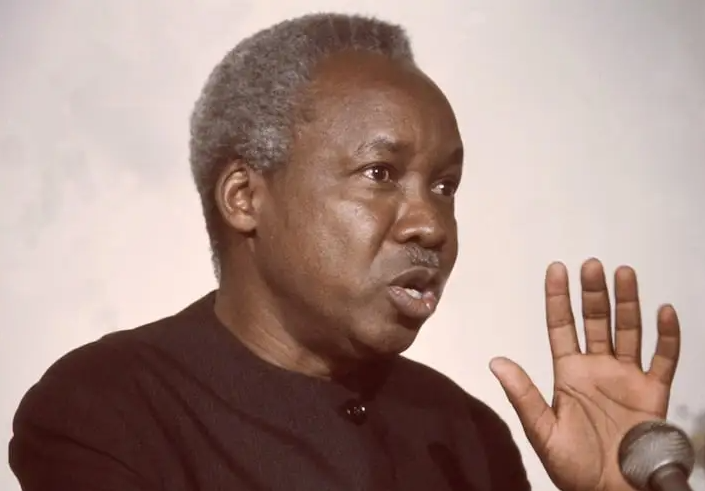
Julius Nyerere
Today, we honor the memory of the countless men, women, and children of Tanzania whose lives were forever changed—or taken—during the long years of colonial rule.
From the late 1880s until independence in 1961, the mainland (then known as Tanganyika) endured approximately 73 years of colonial occupation. Germany established control in the 1880s under German East Africa (c. 1885–1919). After Germany’s defeat in World War I, the territory was transferred to the British Empire, which administered it from 1919 until independence in 1961.
The human cost of colonial rule was devastating. The most catastrophic episode was the Maji Maji Rebellion against German rule (1905–1907). Historians estimate that between 200,000 and 300,000 Africans died, many from famine deliberately induced by scorched-earth policies. Beyond this uprising, thousands more perished through warfare, forced labor, punitive expeditions, disease, and harsh economic exploitation. While precise total figures across the entire colonial period remain uncertain, the loss of life and social disruption were immense.
We remember especially the leaders who paid with their lives in the struggle for dignity and self-determination:
Abushiri ibn Salim al-Harthi – A leader of the Abushiri Revolt against German expansion, publicly executed in 1889.
Mkwawa – Chief of the Hehe people, who resisted German forces for years; he died in 1898 while evading capture after sustained conflict with colonial troops.
Kinjikitile Ngwale – A spiritual leader of the Maji Maji uprising, executed by German authorities in 1905.
Songea Mbano – A Ngoni chief hanged by German forces in 1906, along with dozens of fellow leaders during the suppression of the uprising.
During British rule, the independence movement evolved largely through organized political mobilization rather than widespread armed revolt. Under the leadership of figures such as Julius Nyerere, and the party Tanganyika African National Union (TANU), Tanganyika achieved independence in 1961 without the systematic execution of major nationalist leaders by British authorities.
As we reflect, we do not remember only the prominent names recorded in history books. We remember the unnamed farmers who starved when crops were burned, the laborers forced from their homes, the families fractured by violence, and the communities reshaped by foreign domination. Their suffering and resilience laid the foundation for sovereignty.
May their memory endure as a solemn reminder of the cost of freedom—and of the strength of a people who, despite decades of subjugation, reclaimed their future.