The African Nations Colonization Museum
Guardian of Africa’s colonial heritage — restoring and showcasing the often suppressed, destroyed, or underrepresented history of colonization across the African Union.
--About the Museum
Guardian of Africa's Colonial Heritage
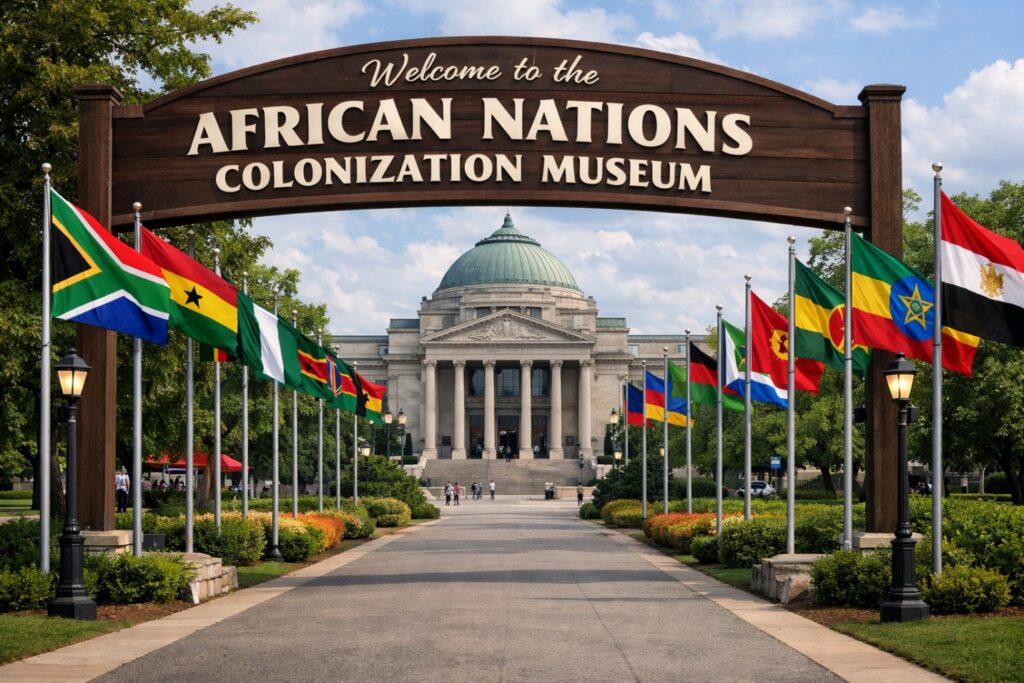
The African Nations Colonization Museum (ANCOM) aims to restore and showcase the often suppressed, destroyed, or underrepresented history of colonization across the African Union. It will serve as the guardian of Africa’s colonial heritage, safeguarding the continent’s valuable legacy of history, art, and architecture.
From the late 15th century through the 20th century, European powers established political control over much of Africa. These colonial systems reshaped borders, economies, cultures, languages, and identities.
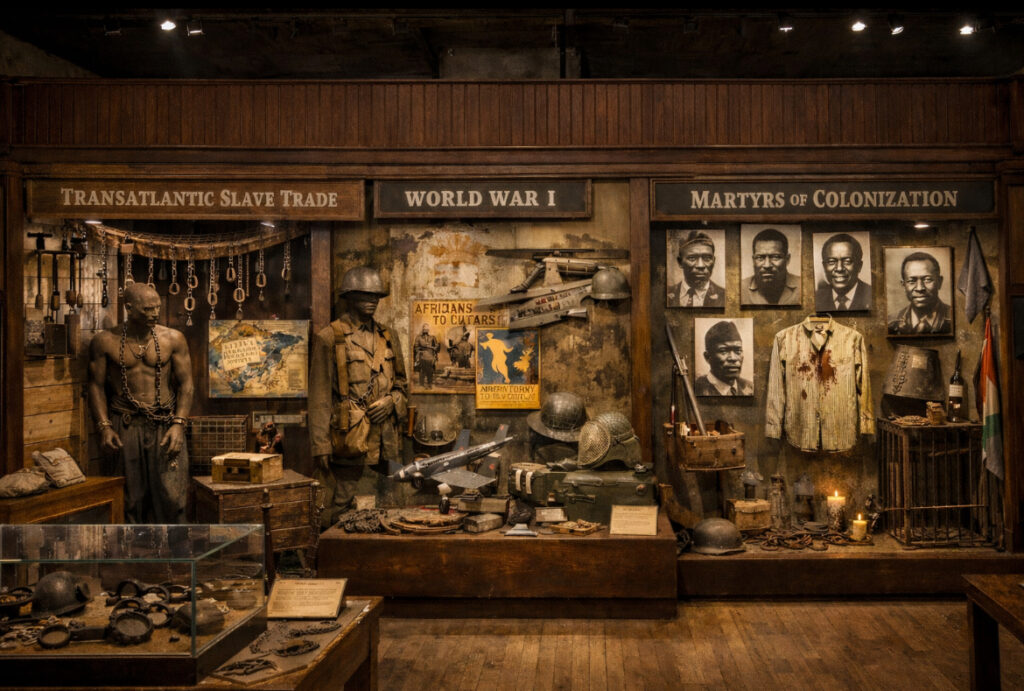
The museum will showcase a thorough collection of this history using artifacts, documents, personal stories, and multimedia displays.
We are committed to studying, preserving, and sharing the unrefined history of colonization in Africa and its lasting impact on societies across the continent and the world.
Our Mission
Through research, exhibitions, and community programs, the museum aims to deepen public understanding of one of the most transformative periods in African and global history.
--Historical Background
How Colonization Unfolded
European contact with Africa grew significantly during the Age of Exploration in the 1400s and 1500s. Over time, trade relationships — including the transatlantic slave trade — developed into territorial control.
By the late 19th century, European powers divided Africa among themselves, a process known as the Scramble for Africa. At the Berlin Conference (1884–1885), European leaders established rules for the claim of African territories, often without any African representation. By the early 1900s, almost the entire continent was under colonial control.
Major colonial powers such as Britain, France, Belgium, Portugal, Germany, Italy, and Spain dominated resource control, established new political structures, and altered traditional societies. Their policies frequently involved forced labor, economic exploitation, and suppression of local cultures.
Despite these challenges, Africans organized resistance movements, preserved cultural traditions, and later led independence struggles that reshaped the continent in the mid-20th century.
--Permanent Exhibitions
What You'll Experience
--Educational Programs
Learning & Research
The museum will offer programs for students, educators, and researchers. These will include guided school tours aligned with history curricula, workshops on African history and culture, public lectures by historians and scholars, and digital archives and research resources. Other educational programs will focus on encouraging critical thinking about history, power dynamics, and cultural exchange.
-- Timeline
Timeline of African Colonization
The museum will present provocative timelines of colonization — from ancient African kingdoms and the Transatlantic slave trade to the Berlin Conference, the World Wars, and decolonization, highlighting events that have deeply shocked humanity.
The museum will present provocative timelines of colonization, from ancient African kingdoms and the Transatlantic slave trade to the Berlin Conference, the World Wars, and decolonization, highlighting events that have deeply shocked humanity.
It will feature an art gallery displaying major works by renowned artists from across Africa. We will also have a gallery that showcases works created exclusively for the museum.
While exploring the roles and significance of arts, music, and dance in global decolonization efforts, the entire collection will be curated in relation to the museum’s historical narrative.