We're Committed to the Transatlantic Homecoming
of Enslaved Africans’ Remains
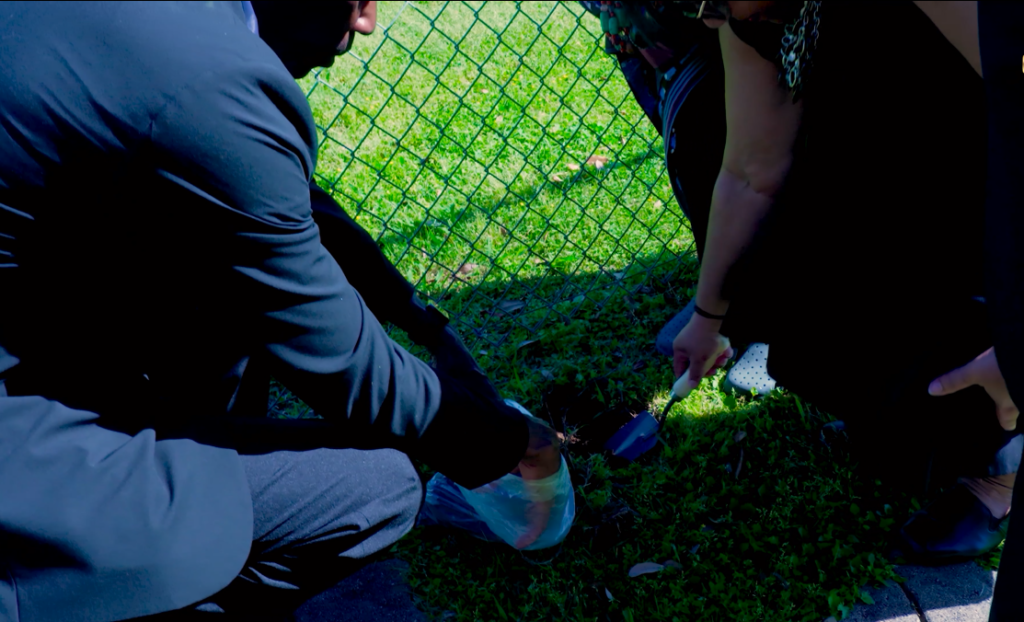
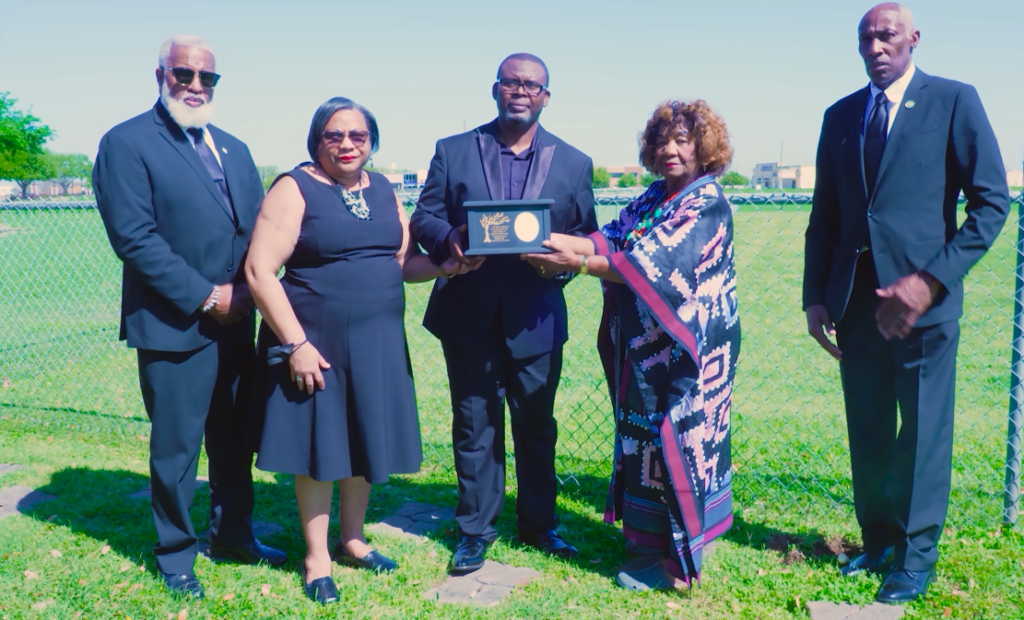
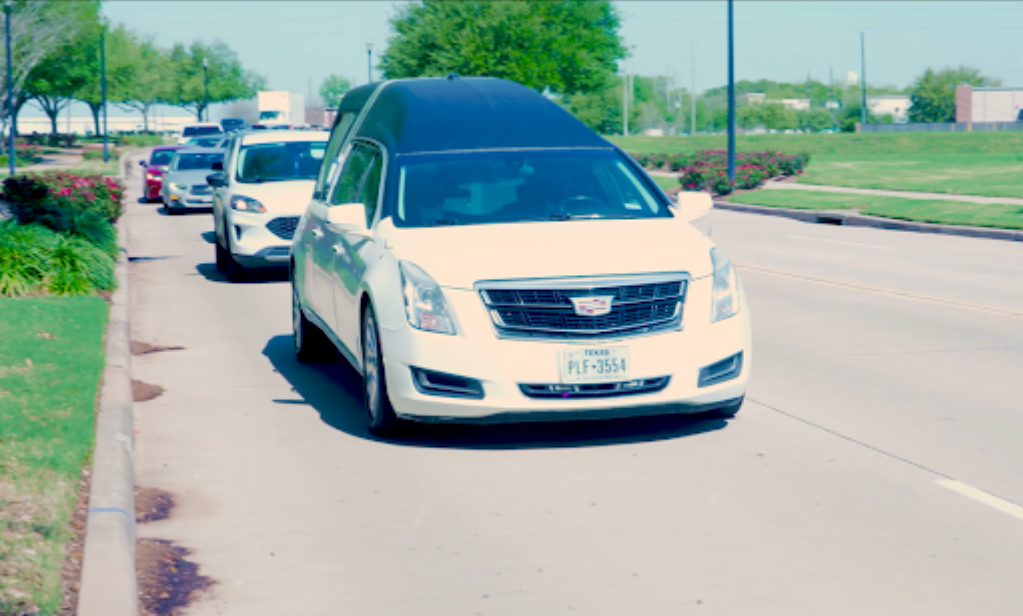
Rodney F Byrd Funeral Directors, along with representatives from the Center for the Healing of Racism, Friends of Sugarland 95, and World Colonization Memorial, carried a wooden urn filled with soil that is believed to still contain the sweat, tears, and blood of enslaved Africans who died on the Sugarland plantation in Texas.
The transatlantic slave trade represents one of the gravest crimes against humanity, forcibly removing millions of Africans from their homelands and subjecting them to unimaginable brutality across the Americas.
Despite the global scale of the transatlantic slave trade, there is a profound absence of a unifying memorial on African soil that physically reconnects the continent with the lands where enslaved Africans labored, suffered, and perished. Many descendants of the enslaved continue to seek spiritual closure, historical acknowledgment, and a tangible homecoming.
Pinpointing an exact final resting place in Africa for victims of the transatlantic slave trade has been challenging due to limited records and the widespread dispersal of individuals over time. Recognizing that extensive slave routes often transported captured Africans from inland kingdoms to coastal areas, where they were then loaded onto ships bound for the Americas, it is argued that sites related to historic slave ports and the ‘Doors of No Return’ along the African coast cannot be considered ancestral homes because they were not the original starting points for most of those enslaved.
In this regard, it is appropriate that the Transatlantic Slave Trade Memorial, which will serve as the final resting place for the remains of enslaved Africans from the Americas and other regions, be in Addis Ababa, the political and diplomatic capital of Africa and home of the African Union (AU).