
Togo

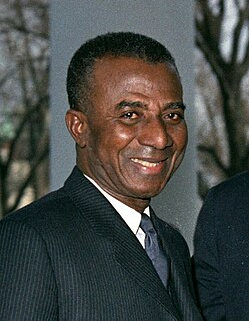
Founding members of the Union of the Peoples of Cameroon, led by Ruben Um Nyobè (center), Félix-Roland Moumié (2nd from the right), and Ernest Ouandié (1st from the right)
Today, we remember the people of Togo who endured decades of colonial domination, forced labor, political repression, and the silencing of their aspirations.
Following Germany’s defeat in World War I, France took control of eastern Togoland in 1916. Under a League of Nations mandate (formally established in 1922) and later as a United Nations Trust Territory, France administered what became known as French Togoland until independence on April 27, 1960. In total, French rule lasted roughly 44 years (1916–1960), within a broader period of European colonial control from 1884 to 1960.
During this era, many Togolese suffered under coercive labor systems, heavy taxation, land expropriation, and crackdowns on political organizing. While historians document imprisonment, violent repression, and loss of life—particularly during periods of protest and resistance—there is no single verified or universally accepted figure for the total number of Togolese who died as a direct result of French colonial rule. The human toll, though difficult to quantify, was real and deeply felt across generations.
As Togo’s independence movement grew in the mid-20th century, activists faced surveillance, intimidation, detention, and exile. Some leaders were imprisoned.
While there is no historical evidence to suggest that France systematically executed major nationalist leaders, Sylvanus Olympio, Togo’s first president, was assassinated in 1963 by Togolese soldiers supported by France.
This memorial tribute honors not only those whose names appear in archives, but also the countless unnamed farmers, laborers, women, and children whose suffering was never formally recorded. Their resilience sustained a nation. Their sacrifices shaped the path to sovereignty.
May their memory endure as the people of Togo continue their pursuit of dignity, justice, and self-determination.