
Tunisia

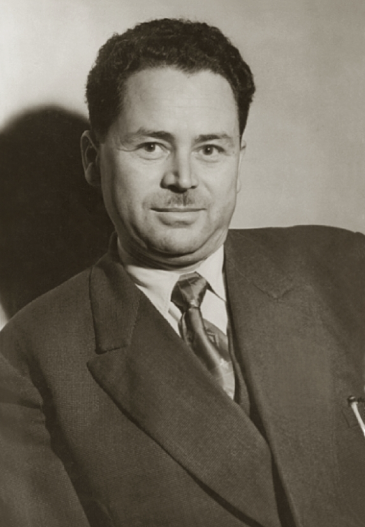
Farhat Hached
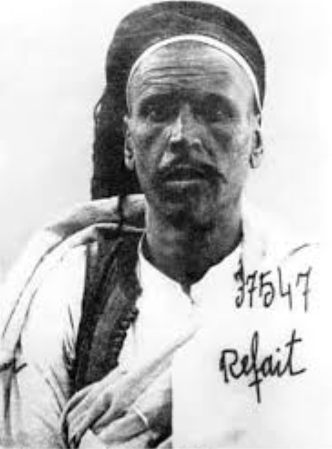
Mohamed Daghbaji
Today, we remember the victims of colonial rule in Tunisia under the protectorate imposed by France from 1881 to 1956 — a period of 75 years that reshaped the nation’s political, economic, and social life.
French occupation began with the Treaty of Bardo in 1881 and lasted until Tunisia achieved independence on March 20, 1956. Throughout those decades, Tunisians resisted through protest, labor movements, armed rebellion, and political organizing. Repression intensified particularly during the uprisings of the early 20th century and again in the early 1950s.
Unlike some other colonial conflicts, there is no single agreed-upon comprehensive death toll for Tunisia under French rule. Historical records indicate that hundreds to several thousand Tunisians were killed over the decades in crackdowns, executions, imprisonment-related deaths, and during the violent repression of nationalist movements — especially between 1952 and 1954. The absence of precise colonial records and varying historical estimates makes an exact figure impossible to state with certainty.
Among the prominent figures who were killed in the struggle against French rule are:
Farhat Hached – Founder of the UGTT (Tunisian General Labor Union), assassinated in 1952 by La Main Rouge, a clandestine organization widely linked to French colonial intelligence services. His death galvanized international attention and intensified the independence movement.
Mohamed Daghbaji – Armed resistance leader captured and executed by French authorities in 1924 for leading insurgent actions in southern Tunisia.
Many other activists, unionists, rural fighters, and ordinary citizens — whose names are less recorded in formal histories — were killed, imprisoned, or exiled for their resistance. Prominent nationalist leaders such as Habib Bourguiba were repeatedly arrested and exiled but survived to see independence.
In honoring the victims of colonization, we remember not only those whose names are written in history books, but also the countless unnamed Tunisians who endured repression, displacement, and loss. Their sacrifices laid the foundation for Tunisia’s sovereignty and its continuing pursuit of justice and national dignity.