We Honor Africa's Victims of Genocide, Apartheid,

and Colonial Massacres

Africa’s modern history has been shaped by violent systems of oppression, including colonial rule, racial segregation, and ethnic genocide. Millions of Africans were killed, displaced, or oppressed under regimes that prioritized political domination, economic exploitation, and racial hierarchy.

To honor Africa’s victims of genocide, apartheid, and colonial violence, we are collecting soil from sites where colonial genocidal massacres occurred across the continent. The soil, which still holds the sweat, tears, and blood of the victims, will be transported to ANCOM, where a giant candle will burn in their honor.
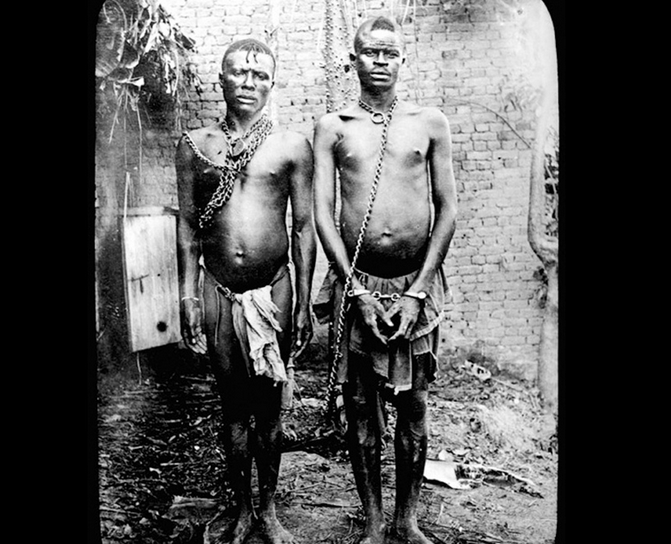
Herero & Nama Genocide

Namibia · 1904–1908

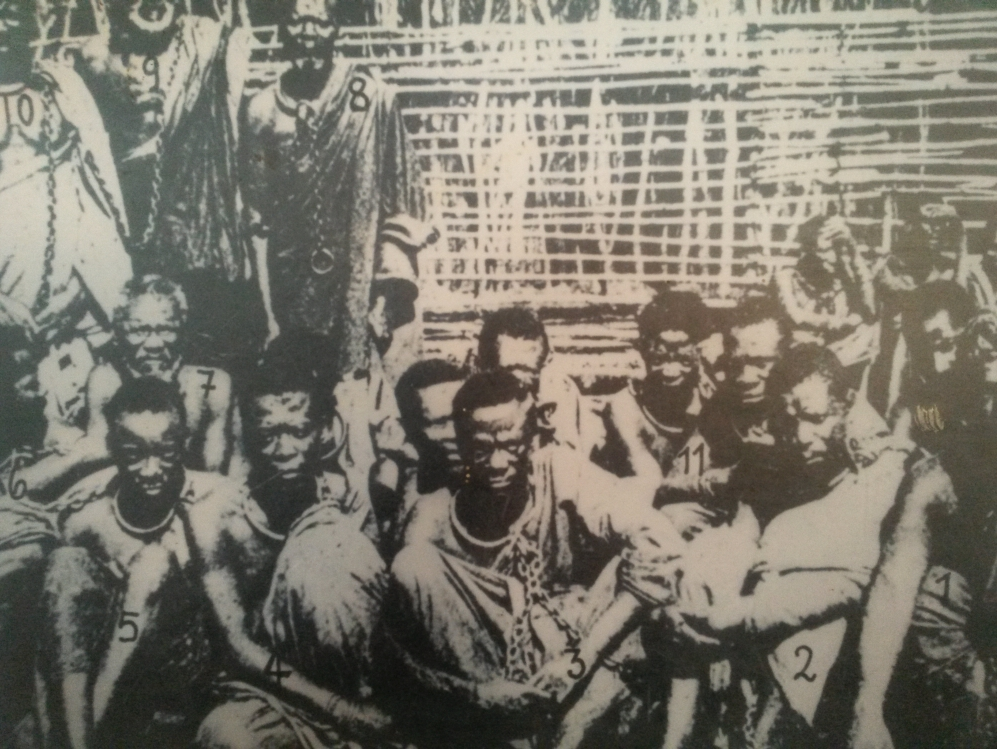
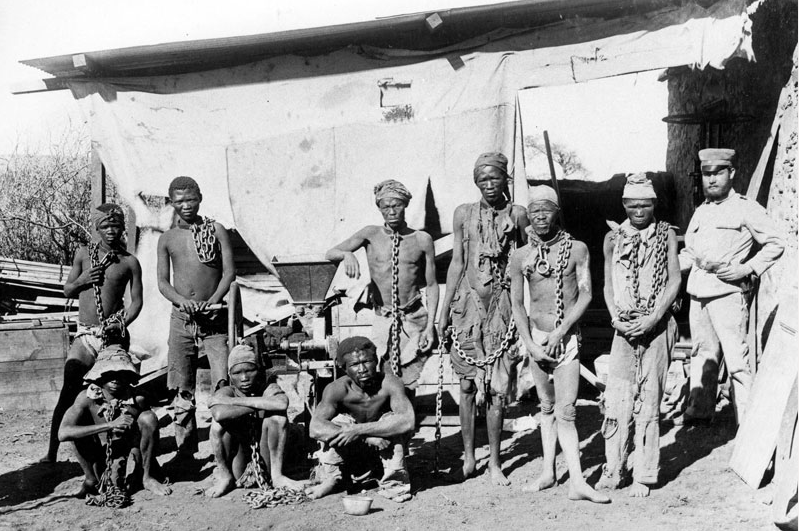
One of the earliest genocides of the 20th century. German forces systematically exterminated the Herero and Nama peoples after they resisted colonial domination. Tens of thousands were killed through mass shootings, forced displacement, and starvation in the desert. Survivors were placed in concentration camps and subjected to forced labor.

Atrocities in the Congo Free State

Congo · 1885–1908

Under Leopold II’s personal rule, the Congo Free State was subjected to severe exploitation during the rubber harvest. Villages were destroyed and civilians mutilated for failing rubber quotas. Estimates suggest millions of Congolese died between 1885 and 1908 due to violence, famine, and disease.

The Maji Maji Rebellion

Tanzania · 1905–1907

The Maji Maji Rebellion was a significant anti-colonial uprising against German rule in German East Africa. It involved numerous ethnic groups fighting against harsh German colonial rule and is regarded as one of the largest rebellions in the history of colonial Africa. An estimated 200,000–300,000 Africans died, many from starvation.

The Mau Mau Uprising

Kenya · 1952–1960

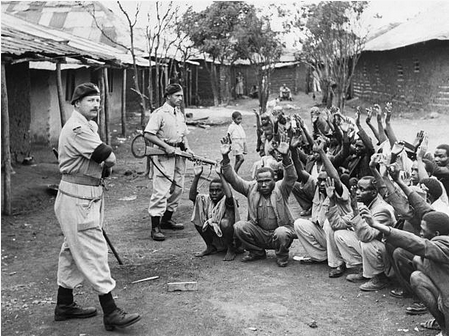
The Mau Mau Uprising in Kenya saw thousands of Kenyans detained, tortured, or killed by British colonial forces. The number of people who died is disputed, but most historians agree it was tens of thousands, mostly Kenyan Africans, many of them Kikuyu, during both the rebellion and the British counter-insurgency campaign.

Algerian Independence War

Algeria · 1954–1962

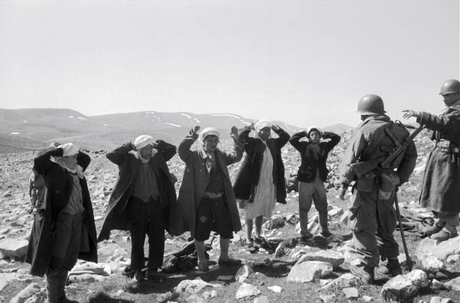
Although French colonization lasted 132 years and resulted in at least hundreds of thousands, likely over a million, Algerian deaths due to conquest, repression, and famine, it was the Algerian War of Independence (1954–1962) led by the National Liberation Front (FLN) that ultimately established an independent Algeria. The conflict involved guerrilla warfare, terrorism, torture, and civilian massacres. Approximately 300,000 to 1,000,000 Algerians were killed.

French Colonial Massacres in Cameroon

Cameroon · 1940s–1960s

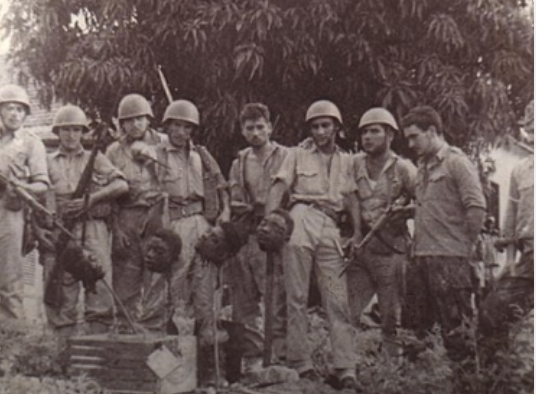
French Cameroon saw forced relocation of villages, torture and executions, aerial bombardment of rebel areas, and collective punishment of civilians. The most impacted regions were the Bamileke and Bassa areas. Despite censorship, destroyed archives, and secrecy, historians estimate that over 600,000 victims, including farmers, women, and children, were killed. Scholars often refer to it as a “forgotten war of decolonization.”

Guinea-Bissau War of Independence

Guinea-Bissau · 1963–1974

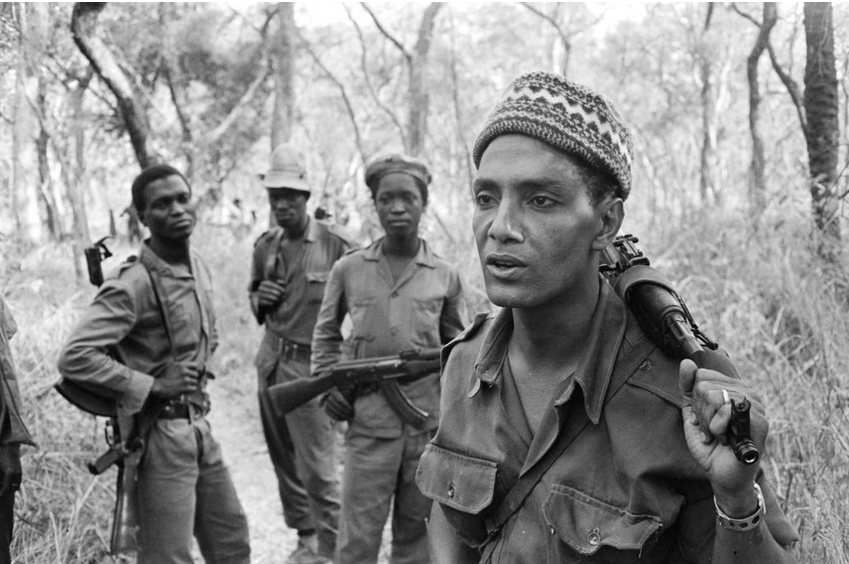
The Guinea-Bissau War of Independence was fought between Portugal and the independence movement African Party for the Independence of Guinea and Cape Verde (PAIGC). Around 20,000 people, including victims of post-war reprisals, lost their lives.

Mozambican War of Independence

Mozambique · 1964–1974

The Mozambican War of Independence was an armed struggle in which Mozambican nationalist forces fought to end Portuguese colonial rule. FRELIMO launched a guerrilla war against Portuguese military forces in rural northern regions. The Portuguese responded by deploying tens of thousands of troops. About 60,000 people died, including FRELIMO guerrilla fighters and civilians.

Apartheid in South Africa

South Africa · 1948–1994

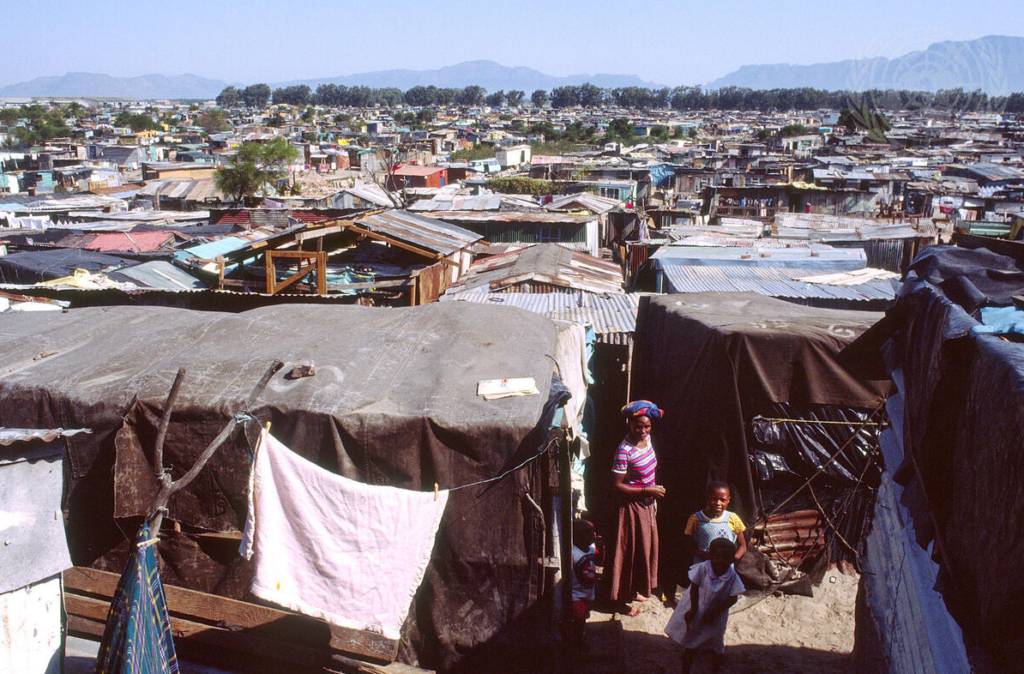
Between 1948 and the early 1990s, Apartheid formalized racial segregation in South Africa. The white minority government implemented strict racial classifications, denying Black South Africans political rights and forcing them to reside in segregated areas. Resistance efforts were met with violent suppression. Approximately 21,000 people lost their lives due to political violence connected to apartheid. Leaders like Nelson Mandela and groups such as the African National Congress actively fought for equality. Although apartheid officially ended in 1994, its social and economic impacts are still evident.

Rwandan Genocide

Rwanda · 1994

The Rwandan Genocide was one of the most devastating genocides in modern history. Over roughly 100 days, extremist militias and government forces killed around 800,000 people, mostly Tutsis and moderate Hutus. The violence was fueled by ethnic tensions that had been exacerbated by colonial policies. The genocide ended when the Rwandan Patriotic Front, led by Paul Kagame, took control of the country.