
Botswana
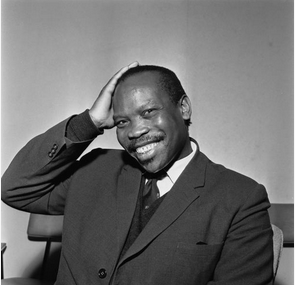
Seretse Khama
Today, we remember the people of Botswana who lived through the era of British imperial rule—an era that reshaped their political structures, land governance, and economic development.
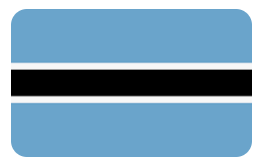
From 1885 to 1966, Botswana—then known as the Bechuanaland Protectorate—was under the authority of the United Kingdom. Unlike some other colonial territories in Africa, Bechuanaland was administered as a protectorate rather than a settler colony. British rule was largely indirect, governing through local chiefs and maintaining a limited administrative presence.
Historical records do not document large-scale massacres or systematic killings by British authorities in Bechuanaland comparable to those in some other colonies, as Botswana’s path to independence was relatively peaceful and negotiated.
One of the most prominent leaders of the independence era was Seretse Khama, who founded the Botswana Democratic Party and later became Botswana’s first president upon independence in 1966. Though he faced political exile and opposition during colonial rule, he was not killed; instead, he played a central role in securing Botswana’s peaceful transition to sovereignty.
While the historical record does not indicate a confirmed death toll directly attributable to British colonial repression in Botswana, colonial rule nonetheless shaped social hierarchies, land distribution, and economic patterns that had lasting consequences. Many communities experienced dispossession of autonomy, constrained political voice, and structural inequalities whose effects endured beyond independence.
In honoring this history, we remember not only those who may have suffered in quieter, less documented ways, but also the resilience of Botswana’s people—who navigated colonial rule and emerged to build one of Africa’s most stable democracies.
May remembrance deepen understanding, and may history be approached with care, accuracy, and respect.