
Comoros
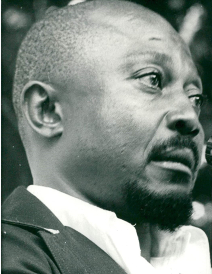
Ali Soilih
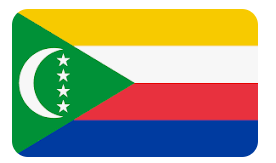
Between the mid‑19th century and 1975, the islands that today form the Union of the Comoros were under French colonial rule. France first took possession of Mayotte in 1841, and by 1886, the other three main islands (Grande Comore/Ngazidja, Anjouan/Ndzuwani, and Mohéli/Mwali) were placed under French protection and later incorporated into the French colonial administration. The archipelago remained under varying degrees of French political control until Comorian independence was declared on July 6, 1975.
This period of control lasted about 134 years (1841–1975), a time marked by political suppression, economic exploitation, and struggles for autonomy and self-determination.
While precise casualty figures under colonial rule in the Comoros are not reliably recorded in mainstream historical sources, the archipelago’s people endured loss — both through direct repression and later as a legacy of colonial border and migration policies that began during and after French rule. For example:
Estimates associated with post-colonial French immigration controls (like the visa Balladur regime starting in the 1990s) suggest that thousands of Comorians have died trying to cross the 70 km sea passage to Mayotte — a tragedy tied to the colonial and post-colonial partition of the islands, though these deaths occurred after independence. Estimates vary widely, with some figures suggesting more than 10 000 deaths in such crossings since the 1990s.
Even if the precise count of colonial era deaths is not fully known, the pain, dislocation, and sacrifice endured by generations of Comorians are real and deserving of remembrance.
Notable Independence Figures and Leaders Killed by French Colonial Authorities
In the colonial era and its earliest resistance movements, a few key figures lost their lives directly as a result of French colonial repression or punitive justice. Notable among them:
Bakari Koussou (d. 1856) – A leader of a workers’ revolt on Mayotte after France acquired the island, Koussou and six fellow insurgents were arrested, condemned, and executed by French authorities in Dzaoudzi. His uprising was part of early resistance to French domination and economic subjugation.
(Postcolonial figure with colonial links) Ali Soilih (1937–1978). Although Soilih’s death occurred after independence, his overthrow and killing were tied to a coup backed by mercenaries linked to French interests. He was a leading Comorian revolutionary and progressive leader, and his death remains a profound and contested part of Comorian history.
There may have been other local resistance figures whose deaths in clashes with French authorities are remembered in oral histories but are not well documented in current accessible archival sources.
As we honor the memory of those who fought for freedom and suffered under colonial rule and its lingering legacies, we acknowledge: The long duration — approximately 134 years — of French political and administrative control over the Comoros.
The loss of life and disruption faced by those who resisted colonial domination and those who continue to endure the aftermath of colonial policies. The courage shown by figures such as Bakari Koussou and others who stood against oppression.
May this tribute help preserve the memory of those who were lost and inspire a deeper understanding of the Comorian people’s history and resilience.