
Equatorial Guinea
Bonifacio Ondó Edú
Atanasio Ndongo Miyone
For nearly 190 years under Spanish colonial rule — from the formal establishment of Spanish control in 1778 until independence on October 12, 1968 — the people of Equatorial Guinea endured the injustices, coercion, and systemic devaluation that marked European domination in Africa.
During this long era of subjugation, indigenous communities faced forced labor, political marginalization, cultural repression, and practices that systematically undermined human dignity. While precise numbers of colonial-era deaths tied directly to Spanish policies remain underreported in historical records, the weight of suffering echoes through generations whose ancestors labored under inequitable systems.
Even after independence, the scars of colonial disruption paved the way for internal struggle and violence. In the years following liberation, the newly sovereign state was gripped by authoritarian terror that claimed tens of thousands of lives — a tragic testament to how colonial legacies can warp the promise of freedom.
Today, we honor the memories of all Equatoguineans whose lives were diminished or cut short by centuries of foreign rule, exploitation, and the long shadow it cast over their nation’s history.
Notable Pro-Independence Leaders Who Fell to Colonial or Post-Colonial Repression
The struggle for self-determination in Equatorial Guinea saw courageous leaders rise despite great risk. Some of these figures were killed under circumstances tied to political conflict in the twilight of Spanish rule or in the immediate aftermath of independence:
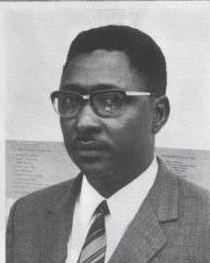
Atanasio Ndongo Miyone – Founder of the Movimiento Nacional de Liberación de Guinea Ecuatorial (MONALIGE), a key nationalist party during the colonial period. Although he lived to see independence, he was executed in 1969 after a failed coup against the post-colonial government; his death reflects the brutal turmoil that followed liberation.
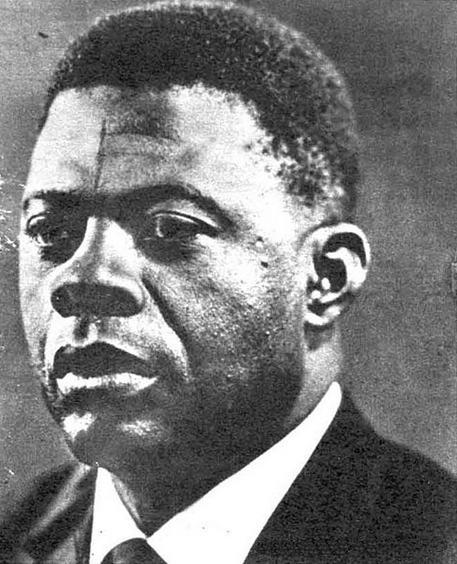
Bonifacio Ondó Edú – A prominent nationalist and former head of government under Spanish-supervised autonomy, he was arrested, imprisoned, and likely killed in 1969 under the orders of the first post-independence regime. This occurred amidst ongoing political conflict rooted in the transition from colonial to independent governance.
Note: Comprehensive historical documentation of all independence activists killed directly by Spanish colonial authorities is limited. Many key nationalist figures were repressed, imprisoned, or forced into exile before 1968, but formal records often do not list all deaths caused by colonial suppression.