
Libya


Omar Mukhtar
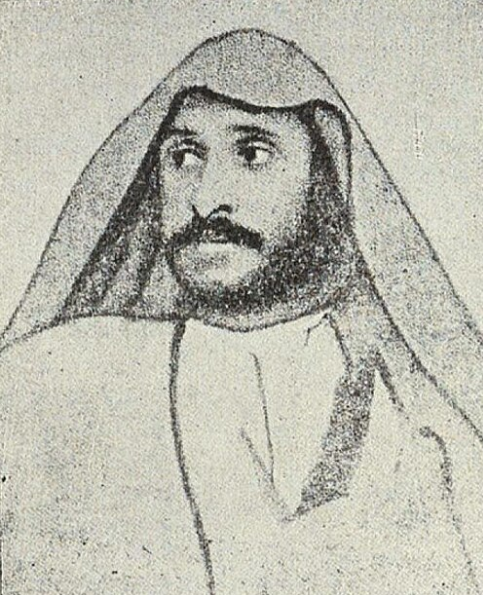
Ramadan al-Suwayhili
Today, we remember the victims of the colonial occupation of Libya by the Kingdom of Italy — a period marked by dispossession, forced displacement, concentration camps, and mass death.
Italy invaded Libya in 1911, beginning a brutal occupation that lasted until 1943, when Axis forces were defeated in North Africa during World War II. Over these 32 years, especially during the so-called “Pacification of Libya” (1923–1932), entire communities were uprooted. Historians estimate that between 100,000 and 300,000 Libyans — a significant portion of the population at the time — lost their lives due to executions, starvation, disease in concentration camps, and warfare. In Cyrenaica alone, it is estimated that up to half the population perished.
Among the most widely recognized pro-independence leaders executed or killed by Italian colonial authorities were:
Omar Mukhtar – The iconic leader of the Senussi resistance in Cyrenaica, captured and publicly hanged by Italian forces in 1931 after years of guerrilla struggle.
Ramadan al-Suwayhili – A prominent leader from Misrata who resisted Italian rule and was killed in 1920 during conflict with Italian-backed forces.
These men stood alongside countless unnamed fighters, tribal leaders, scholars, and civilians who resisted colonial domination. Many perished anonymously in desert camps such as those established in Cyrenaica, where forced marches and confinement devastated entire tribes.
We honor their memory not only as victims, but as defenders of dignity, land, and self-determination. Their sacrifice remains woven into Libya’s national consciousness — a reminder of both profound suffering and enduring resilience.