
Mali


Diossé Traoré (center)
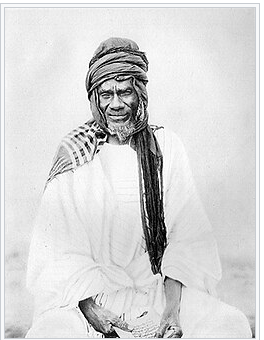
Samory Touré
From the late 19th century to 1960, the territory that is now the Republic of Mali endured French colonial rule. Beginning with military conquest in the early 1880s and the formal creation of the colony of French Sudan (Soudan français) in the decades that followed, French rule lasted roughly 80 years, until Mali declared independence in 1960.
Under colonial rule, countless Malian civilians, soldiers, and communities suffered or lost their lives due to military campaigns, forced labor, repression of resistance, and policies that dispossessed people of their land and autonomy. Precise casualty figures from the entire colonial period are not fully recorded, but large-scale conflicts such as the Volta‑Bani War (1915–1917)—which extended into parts of present-day Mali and neighboring territories—claimed tens of thousands of African lives, including many civilians, as French forces crushed anti-colonial resistance.
We remember all those who perished, whose families and descendants still live with the scars of this era. Their resilience and courage echo in Mali’s struggles for self-determination and dignity.
Notable Malian and regional anti-colonial leaders associated with resistance to French rule:
Samory Touré – A famed West African ruler whose Wassoulou Empire (late 19th century) resisted French expansion across the region, including parts of present-day Mali. He was captured by French forces in 1898 and died in exile in 1900.
Koumi Diossé (also known as Diossé Djan or Diossé Traoré) – A resistance fighter from the Kingdom of Bélédougou in the Soudan français, known for his opposition to French forces; according to tradition, he chose death over surrender during fighting in 1915.
These, along with many unnamed men, women, and children, fought against domination, resisting the imposition of foreign rule and asserting their right to self-governance. Their sacrifices are part of Mali’s long journey toward independence and remain in the memory of its people.