
Senegal
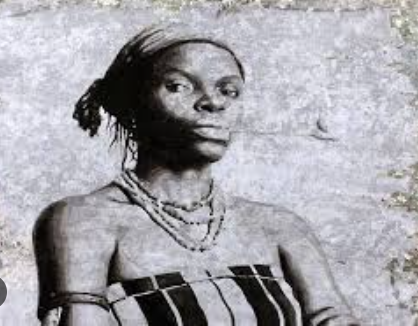
Aline Sitoe Diatta
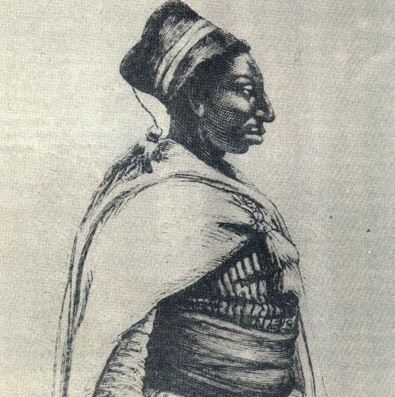
Lat Dior Diop
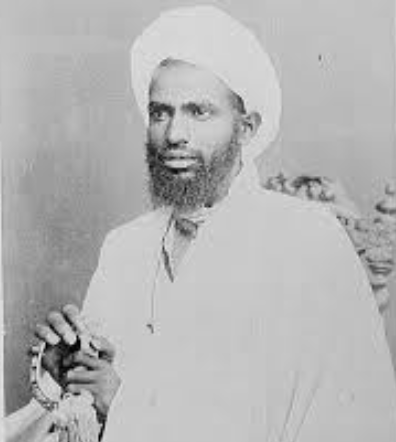
Mamadou Lamine Drame
France’s involvement in Senegal began in the mid-17th century, with the establishment of a trading post in Saint-Louis in 1659. Over time, French control expanded inland, and Senegal became a core territory of French West Africa in 1895. Colonial rule formally ended when Senegal gained independence on April 4, 1960. In total, French domination lasted roughly 300 years, though the most intensive period of military conquest and direct administration occurred in the 19th and early 20th centuries.
The human cost of colonization is difficult to calculate precisely. No comprehensive colonial record exists tallying all deaths from conquest, repression, forced labor, famine, imprisonment, or the deployment of Senegalese soldiers (tirailleurs sénégalais) in foreign wars. Historians agree that many thousands of Senegalese people lost their lives during the wars of resistance in the 19th century alone, with additional tens of thousands of West African soldiers dying in European conflicts during the World Wars. The true total remains unknown, but the suffering and loss reverberate across generations.
In Memory of the Fallen
We remember the communities uprooted, the families divided, and the countless unnamed men, women, and children who endured violence, coercion, and hardship under colonial rule. Their resilience preserved Senegal’s cultural, spiritual, and political identity through centuries of foreign domination.
We also honor prominent resistance leaders who died in direct opposition to French expansion:
Lat Dior Diop – The Damel (king) of Cayor, he led armed resistance against French encroachment and was killed in battle in 1886.
Mamadou Lamine Drame – A religious and political leader who organized an anti-colonial uprising along the Senegal River; he was captured and executed by French authorities in 1887.
Aline Sitoe Diatta – A symbol of Diola resistance in Casamance, arrested for opposing colonial policies and forced rice requisitions; she died in French custody in 1944.
Historical records from the colonial period are incomplete, and scholarship continues to reassess the scale of repression and loss. While not every casualty or martyr’s name has been preserved, their legacy endures in Senegal’s independence and national consciousness.
Today, remembrance is not only about recounting years and numbers. It is about recognizing dignity in struggle, acknowledging suffering honestly, and honoring those who stood—often at the cost of their lives—for the right of their people to determine their own future.