
Seychelles
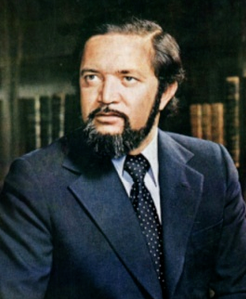
James Mancham
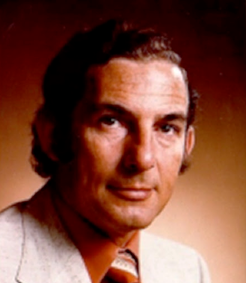
France-Albert René
From 1756 to 1810, the islands that now make up the Seychelles were under French control. During these 54 years of French occupation, the archipelago was transformed into a plantation colony built on enslaved African labor. Families were uprooted from the African mainland and Madagascar, forced across the Indian Ocean, and made to toil under harsh and often brutal conditions.
No comprehensive records survive that document the exact number of people who lost their lives during French rule. What is known is that mortality among enslaved people was high due to overwork, disease, punishment, and poor living conditions. The suffering was systemic and enduring, even if precise figures cannot be established from surviving archives.
From 1814 until independence in 1976, Seychelles was under British rule for 162 years. During this period, the islands experienced plantation economics, the legacy of slavery, and the limitations of colonial governance. While British administration formally abolished slavery in 1835, Seychellois society continued to endure economic hardship, restricted political participation, and social inequality shaped by colonial structures.
Unlike many other colonies, Seychelles did not witness large-scale armed rebellion or documented mass killings during British rule. The deeper human cost was borne through generations of forced labor systems inherited from earlier French rule, economic marginalization, and limited self-determination.
The movement toward independence in the 20th century was largely political and constitutional rather than violent. Prominent leaders, including James Mancham and France-Albert René, advocated for Seychellois self-governance through political organization and negotiation.
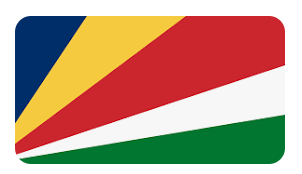
On 29 June 1976, Seychelles achieved independence, marking the end of more than a century and a half of colonial administration.
James Mancham served as the first President of Seychelles from 1976 to 1977. He was one of the last White African presidents in African history. He considered himself the self-proclaimed “Founding Father”; however, this title is often attributed to his socialist successor, France-Albert René, who led the country to become one of the most democratic and economically stable states in Africa.
Today, remembrance is less about a list of named martyrs and more about honoring the unnamed thousands whose labor built the colony and whose resilience shaped the nation’s cultural foundations. Their memory lives on in the Creole language, traditions, and identity of modern Seychelles — a testament to survival, dignity, and the enduring human spirit.