
Sierra Leone

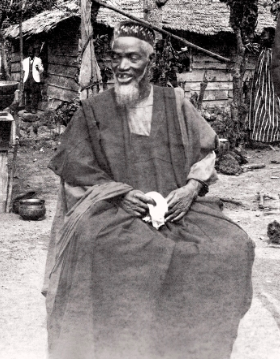
Chief Bai Bureh
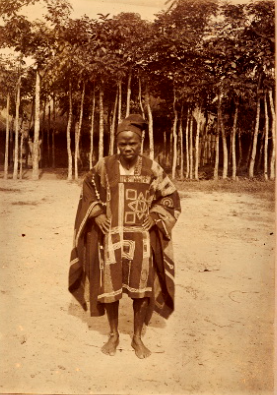
Chief Kai Londo
Today, we remember the men, women, and children of Sierra Leone whose lives were upended, scarred, and in many cases lost during the long era of British colonial rule.
Britain formally established a colony in Freetown in 1808 and declared a Protectorate over the interior in 1896. Colonial rule lasted until independence in 1961, more than 150 years of direct and indirect British control.
The human cost of this period is impossible to calculate precisely. Colonial records rarely counted African deaths comprehensively. During the 1898 uprising, known historically as the Hut Tax War, estimates indicate that well over 1,000 Sierra Leoneans were killed in fighting, reprisals, and punitive expeditions. Many more died from displacement, forced labor, famine, and the broader social disruption accompanying colonial expansion. Their names, in large part, were never recorded in official accounts—but their absence is part of the historical record.
We remember the resistance leaders who stood against colonial rule:
Bai Bureh – A Temne ruler who led armed resistance in 1898 against the hut tax imposed by British authorities. He was captured and exiled, later allowed to return, but his resistance became a lasting symbol of national defiance.
Kai Londo – A Mende war leader who also resisted British forces during the 1898 conflict. He was killed in battle by British troops.
Historical records indicate that several other chiefs and local leaders were executed or killed in the suppression of the 1898 uprising, though documentation is incomplete and does not provide a definitive, exhaustive list of names. Notably, Sierra Leone’s later 20th-century nationalist movement toward independence was largely political and did not result in the execution of major pro-independence party leaders by British authorities before independence was achieved in 1961.
This tribute honors not only those leaders whose names survive in archives but also the countless unnamed villagers, farmers, laborers, and families who endured violence, coercion, and loss. Their suffering formed part of the long struggle that ultimately led to sovereignty.
May their memory remain part of Sierra Leone’s national story—remembered not only for their hardship, but for their resilience, courage, and enduring pursuit of self-determination.