
Cabo Verde

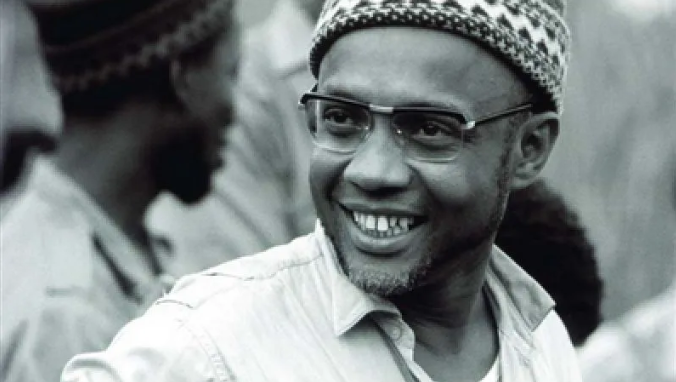
Amílcar Cabral
For more than 500 years, the islands of Cabo Verde were under Portuguese rule. Portuguese settlement began in 1462, and colonial rule endured until independence on July 5, 1975 — a span of roughly 513 years.
Cabo Verde was uninhabited before colonization, but it became a central hub in the transatlantic slave trade. Enslaved Africans were trafficked through its ports, and the islands themselves suffered deeply under colonial economic policies. Recurrent famines — particularly in the 18th, 19th, and mid-20th centuries — were exacerbated by neglect and extractive governance. Historians estimate that tens of thousands of Cabo Verdeans died from famine and related hardship during colonial rule, especially during the devastating 1940s famine. However, there is no single comprehensive figure that captures the total number of lives lost as a direct result of Portugal’s centuries-long occupation.
One of the starkest symbols of repression was the Tarrafal prison camp — Tarrafal camp — established in 1936. Political prisoners from across Portugal’s African colonies were detained there under brutal conditions, and a number of detainees died from mistreatment, illness, and abuse.
The struggle for independence in Cabo Verde was closely linked with that of Guinea-Bissau under the leadership of the PAIGC (African Party for the Independence of Guinea and Cape Verde). Its most prominent leader, Amílcar Cabral, became an enduring symbol of liberation for both peoples. Cabral was assassinated in 1973 in Conakry by dissident gunmen, backed by Portuguese colonial authorities.
Though there are no well-documented cases of major Cabo Verdean pro-independence leaders being executed by Portuguese colonial authorities, many activists were surveilled, censored, imprisoned, or exiled, and some suffered in Tarrafal.
Today, we remember the generations who endured enslavement, famine, forced labor, imprisonment, and political repression. We honor the resilience of Cabo Verde’s people — those who survived, those who resisted, and those whose names were never recorded. Their suffering and courage shaped a nation that emerged from centuries of colonial rule to claim its sovereignty and dignity.