
Central African Republic

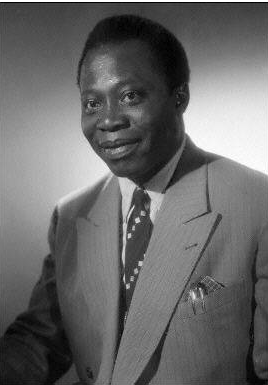
Barthélemy Boganda
In Memory of Those Lost Under French Colonial Rule in Ubangi-Chari / Central African Republic.
We remember the countless Central Africans whose lives were disrupted, diminished, or ended under more than half a century of French colonial rule. From the formal establishment of Oubangui-Chari as a French colonial territory at the beginning of the 20th century (around 1903) until the granting of full independence on 13 August 1960, Central Africans lived under a system of foreign rule. During this period, many endured forced labor, military repression of revolts such as the Kongo-Wara uprising (1928–1931), and coercive economic exploitation that contributed to famine, disease, displacement, and loss of life — human costs that remain largely unquantified in the historical record.
We honor the memory of those unnamed victims — families torn apart, communities displaced, cultures suppressed — whose sacrifices under colonial rule laid the foundation for the sovereign nation that emerged in 1960.
David Dacko served as the first President of the Central African Republic from 1960 to 1966. The constitution recognizes him as one of the Founding Fathers.
Barthélemy Boganda, widely recognized as the “father of the nation,” is a notable figure who fought for the territory’s autonomy and dignity against colonial rule. He was a key political leader in the movement toward autonomy and independence. He served as the first Premier of the autonomous Central African Republic and galvanized political activism against aspects of colonial domination. He died in a plane crash on 29 March 1959, before independence — a death that some contemporaries and historians have attributed to French colonial authorities.
While exact figures for the total number of lives lost under French colonial governance in Ubangi‑Chari are not reliably known, the human toll was deep and enduring. The legacy of forced labor, military suppression of resistance, and systemic inequality casts a long shadow.
May this tribute serve as a reminder of the resilience of the Central African people, the costs paid in the struggle for self-determination, and the need for ongoing recognition and remembrance of those who suffered under colonial rule.