
Chad

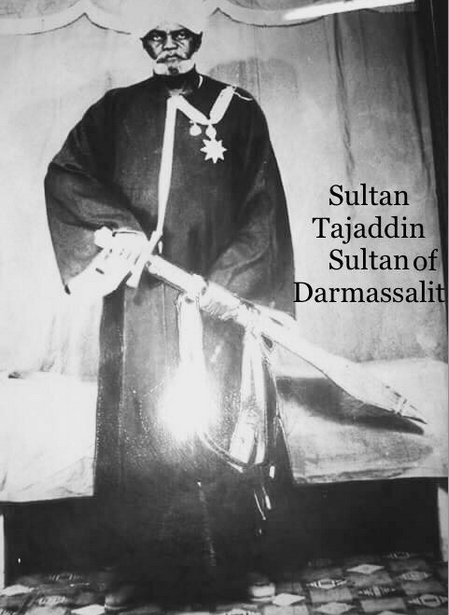
Sultan Taj al‑Din of Massalit
In memory of the countless lives lost under colonial occupation
From 1900, when France established control over the territory that became French Chad, to 1960, when Chad attained formal independence, the land and peoples of this region endured decades of foreign domination, resistance, and suffering. France’s military conquest and administration entailed brutal battles, punitive expeditions, forced labor, repression of revolts, and political marginalization of indigenous societies. The full human toll — including deaths from conflict, famine, disease, displacement, and coercion — cannot be precisely quantified, but the violence was widespread and profound across generations.
We remember:
The resistance fighters and communities caught in the early wars of conquest, such as those around the Battle of Kousséri (1900), where thousands of local defenders fell and the warlord Rabah az‑Zubayr was killed in combat against French forces.
Local leaders and scholars executed or massacred during punitive operations and reprisals, including during the 1917 “coupes‑coupes” reprisals in the Ouaddaï region, where dozens of religious notables and fighters were killed by troops acting on colonial orders.
Peasants and protestors at Bébalem in 1952, fired upon by colonial troops during unrest tied to local political contestation, with estimates of fatalities ranging from dozens to several hundred.
While colonial archives and scholarship have yet to produce a comprehensive death count, oral histories and demographic impacts testify to tens of thousands — if not more — lives broken and cut short under colonial coercion and conflict.
Notable leaders and figures in resistance and nationalism
It is important to distinguish between anti‑colonial fighters of the early 20th century and political leaders of the independence era. In the colonial period, several indigenous leaders who resisted French expansion died in combat or were executed in the course of military conquest:
Rabah az‑Zubayr — a powerful local warlord and military leader who resisted French forces and was killed in the Battle of Kousséri (1900).
Sultan Taj al‑Din of Massalit — killed alongside hundreds of followers during French military operations around 1910.
These figures are remembered by local communities as symbols of resistance to colonial intrusion.
In the political movements that emerged in the mid‑20th century as independence became attainable, the most prominent leaders — such as Gabriel Lisette, founder of the Chadian Progressive Party, and François (N’Garta) Tombalbaye, who became independent Chad’s first president — survived colonial rule and were not executed by French authorities.
Today, we honor the memory of all those who suffered and died under colonial rule in Chad — the warriors who stood against conquest, the villagers caught in the crossfire of punitive expeditions, the farmers silenced in protest, and the countless unknown souls whose names history did not record. Their courage, resistance, and sacrifices are woven into Chad’s long journey to self-determination and remain in the hearts of their descendants.