
Djibouti

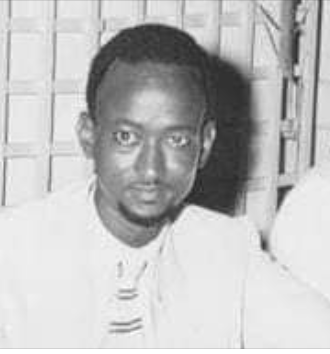
Mahamoud Harbi
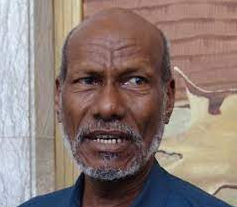
Aden Robleh Awaleh
peoples of Djibouti during France’s colonial occupation of their homeland. From the late 19th century until independence in 1977, the territory — first known as French Somaliland and later as the French Territory of the Afars and the Issas — was under French control, spanning over 90 years of foreign domination.
Across decades of struggle for self-determination, protests and demonstrations against colonial rule were often met with harsh repression by French authorities. During the Djiboutian War of Independence (1966–1977), clashes between demonstrators and colonial forces resulted in numerous deaths, including at least dozens of civilian casualties during demonstrations and political violence in the 1960s and 1970s. While precise totals remain difficult to determine, historical records indicate multiple fatal incidents over the course of the independence movement in the years leading up to 1977.
Today, we honor all those who lost their lives or endured suffering in the pursuit of freedom and dignity.
Notable Pro-Independence Leaders Affected by Colonial Oppression
Among the leaders who inspired resistance and mobilized their people toward liberation, several figures are especially remembered for their courage in confronting colonial power. While direct assassinations by French authorities of nationalist leaders are not extensively documented in mainstream archives, several pivotal pro-independence figures died during the struggle and are commemorated as martyrs or casualties of the broader conflict:
Mahamoud Harbi (1921–1960): A prominent nationalist politician and advocate for independence and Greater Somalia. He served as vice‑president of French Somaliland and became one of the earliest vocal opponents of colonial rule. Harbi died under mysterious circumstances in an airplane crash in 1960, during a mission related to his political activities.
Aden Robleh Awaleh (1941–): A leading figure in the Front de Libération de la Côte des Somalis (FLCS), the principal liberation movement. Though he survived the struggle, he was seriously wounded in an assassination attempt in June 1977, just days before independence was achieved.
These leaders, and many unnamed activists and civilians, represent the steadfast resistance of Djiboutians against foreign domination.
In tribute, we remember: the courage of ordinary Djiboutians who stood up against colonial rule; the leaders who inspired hope for freedom; the families and communities forever changed by the cost of independence.
May their memories inspire continued reflection, justice, and lasting peace in Djibouti and beyond.