
Gabon

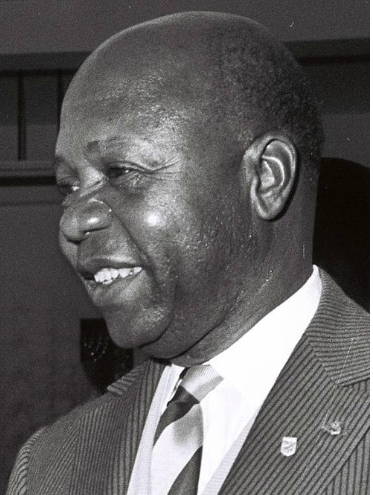
Léon M’ba
Today, we pause to remember the men, women, and children of Gabon whose lives were shaped—and too often scarred—by decades of colonial rule under France.
French involvement in Gabon began in 1839, when local leaders along the coast signed treaties placing their territories under French protection. Gabon was formally incorporated into French Equatorial Africa in 1910 and remained under French colonial administration until it achieved independence on August 17, 1960. In total, French control spanned roughly 121 years.
During this period, Gabonese communities endured forced labor, economic exploitation, displacement, harsh taxation, and repression. Exact figures for the number of lives lost as a direct result of colonial policies in Gabon are not definitively known. Unlike some other colonies, Gabon did not experience a single large-scale war of independence with a clearly documented death toll. However, historians acknowledge that many people perished due to forced labor regimes, punitive expeditions, disease exacerbated by colonial disruption, and violent crackdowns on resistance—losses that were often under-recorded or not recorded at all.
It is also important to note that Gabon’s path to independence was comparatively gradual and negotiated. Prominent political leaders such as Léon M’ba, who later became the country’s first president, worked within evolving political structures toward autonomy. There is no widely documented record of major nationally recognized pro-independence leaders in Gabon being executed by French colonial authorities, in contrast to the experiences of some other African territories.
Still, the absence of a single defining massacre or executed national figure does not diminish the suffering endured. The legacy of colonial rule lives on in economic structures, social divisions, and historical wounds that continue to shape Gabonese society.
In honoring the memory of those who suffered and died—named and unnamed—we acknowledge their resilience. We remember the laborers forced into forests and construction camps, the families disrupted by coercive systems, and the communities whose sovereignty was constrained for over a century.
May their memory remind us of the enduring value of dignity, self-determination, and historical truth.