
Gambia
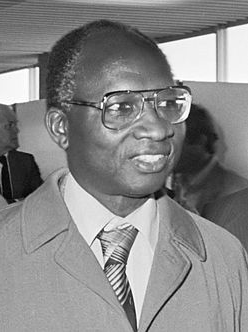
Dawda Kairaba Jawara
Today we remember the people of The Gambia whose lives were shaped—and too often scarred—by the long shadow of colonial rule under the British Empire.
Britain first established a formal presence along the River Gambia in 1821. What began as a trading foothold evolved into a crown colony centered on Bathurst (now Banjul), and in 1894, the inland territories were declared a British Protectorate. Colonial rule continued until independence on 18 February 1965—a period of approximately 144 years of formal British administration.
The full human cost of this era is difficult to quantify. There is no comprehensive or reliable historical record that provides a total number of Gambians who lost their lives as a direct result of British colonial rule. Deaths occurred in the context of military expeditions, resistance to colonial expansion in the late 19th century, forced labor systems, economic exploitation, disease, and social disruption. Many lives were also affected indirectly through displacement, taxation policies, and the restructuring of local political authority. The absence of precise figures does not diminish the suffering endured.
Unlike in some other colonies, The Gambia’s path to independence in the 20th century was largely constitutional and political rather than defined by widespread armed conflict. Leadership figures such as Dawda Jawara pursued negotiation, party organization, and electoral participation.
A memorial to this history honors not only those who died in conflicts and under the burdens of colonial policies, but also the resilience of communities that preserved culture, faith, and dignity across generations. It is a remembrance of unnamed farmers, traders, elders, and families whose endurance carried the nation forward—until The Gambia reclaimed its sovereignty in 1965.
May their memory be held with truth, reflection, and respect.