
Guinea-Bissau
Amílcar Cabral
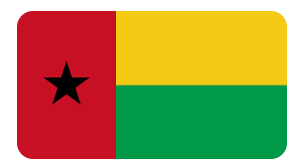
The history of Guinea-Bissau bears the weight of centuries of foreign domination and the immense human cost of the struggle for freedom. Portugal first established a presence along the Upper Guinea coast in the mid-15th century (c. 1446). Although early control was limited to trading posts, formal colonial administration intensified in the late 19th century. Guinea-Bissau remained under Portuguese rule until 1974, when independence was recognized following Portugal’s Carnation Revolution—marking roughly five centuries of presence and nearly a century of consolidated colonial rule (1879–1974).
The armed War of Independence (1963–1974), led by the PAIGC, was among the most determined anti-colonial struggles in Africa. Historians estimate that approximately 10,000–15,000 people—combatants and civilians combined—lost their lives during the conflict. Many more endured displacements, forced labor, repression, and the long-term trauma of war.
We remember the countless unnamed victims: villagers caught in aerial bombardments, families uprooted by military campaigns, and those who perished resisting forced labor and colonial exploitation. Their suffering is an indelible part of Guinea-Bissau’s national memory.
Notable Pro-Independence Leaders Killed During the Struggle
Several prominent figures of the independence movement were killed during the conflict with Portuguese colonial forces:
Titina Silá – A pioneering female commander in the PAIGC, killed in 1973 during a Portuguese military operation while crossing a river en route to a party meeting.
Domingos Ramos – A key PAIGC military leader, killed in 1966 during fighting against Portuguese forces.
Osvaldo Vieira – A senior guerrilla commander, killed in combat in 1974 during the final phase of the war.
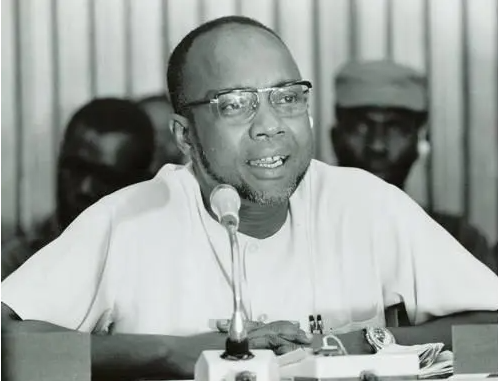
One of the most internationally recognized leaders of the movement, Amílcar Cabral, was assassinated in 1973 in Conakry. Although his killing occurred outside Guinea-Bissau and involved internal dissidents, Portuguese intelligence activities in the region have been widely discussed by historians; however, direct responsibility by Portuguese authorities remains a subject of historical debate.
Today, we honor the memory of all who suffered and died under colonial rule and during the liberation struggle. Their courage and sacrifice shaped Guinea-Bissau’s sovereignty and continue to inspire movements worldwide for dignity, justice, and self-determination.