
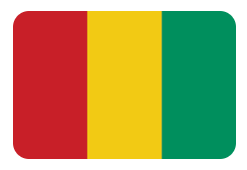
The Republic of Guinea
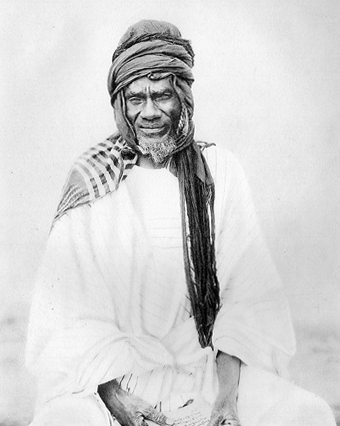
Samori Ture
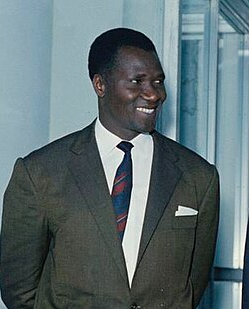
Ahmed Sékou Touré
In solemn remembrance, we honor the people of the Republic of Guinea, or Guinea-Conakry, whose lives were forever altered—and too often cut short—under French colonial rule.
France formally established control over Guinea in 1891, incorporating it into French West Africa. Colonial rule endured until 2 October 1958, when Guinea became the first French African colony to declare full independence following a national referendum. In total, France’s occupation of Guinea lasted 67 years (1891–1958).
Lives Lost Under Colonial Rule
Historians widely acknowledge that thousands perished during the violent military campaigns of conquest in the late 19th century, in resistance wars against French expansion, and through forced labor systems, punitive expeditions, imprisonment, famine, and disease linked to colonial exploitation.
While the exact toll cannot be precisely quantified, the human cost was profoundly felt in destroyed villages, displaced families, and generations marked by hardship.
Notable Guinean Resistance Leaders Killed by French Colonial Authorities
Though many independence-era political leaders survived into the 20th century, several prominent early resistance leaders were killed or died as a direct result of French colonial repression:
Almamy Bokar Biro Barry – Killed in 1897 during the Battle of Porédaka while resisting French military expansion in Fouta Djallon.
Samori Touré – Founder of the Wassoulou Empire and one of West Africa’s most formidable anti-colonial leaders. Captured by French forces in 1898 after years of resistance and exiled to Gabon, where he died in captivity in 1900.
Alpha Yaya Diallo – A powerful ruler in Labé who alternated between cooperation and resistance; arrested by French authorities and died in detention in 1912 under contested circumstances widely regarded as colonial repression.
These figures represent only a portion of those who resisted. Many local chiefs, warriors, clerics, and community leaders—whose names were not always preserved in colonial records—also lost their lives in the struggle against occupation.
Guinea’s eventual independence in 1958, led politically by figures such as Ahmed Sékou Touré, was built upon decades of resistance, sacrifice, and memory.
Today, we remember not only the prominent leaders whose names are recorded in history, but also the countless unnamed men, women, and children whose suffering and courage shaped the nation’s path to sovereignty.
May their memory endure with dignity and truth.