
Malawi

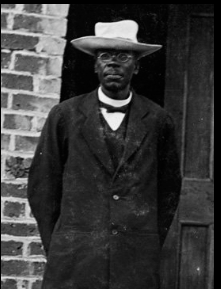
John Chilembwe
Today, we honor the people of Malawi who experienced over seven decades of British rule. From 1891, when the British Central Africa Protectorate (later renamed Nyasaland in 1907) was proclaimed, until Malawi gained independence on July 6, 1964, the country was under British colonial control for about 73 years.
Across those decades, countless Malawians experienced land dispossession, forced labor, taxation without representation, and political repression. The exact number of lives lost as a direct result of British colonial rule is not definitively known, as no comprehensive colonial accounting exists. However, certain events stand out:
The 1915 Chilembwe Uprising: After an anti-colonial revolt led by African clergy and laborers, British forces suppressed the movement. Roughly 200 African rebels were executed or killed, and many others died in the aftermath.
The 1959 State of Emergency: During the crackdown on the nationalist movement, official colonial reports recorded around 51 Africans killed, with many more detained without trial.
Behind these numbers are families broken, communities silenced, and generations marked by loss.
Among those who gave their lives in open resistance, the most prominent was John Chilembwe, a Baptist pastor who led the 1915 uprising against colonial injustices, including forced labor and racial discrimination. He was killed by colonial police while attempting to flee in February 1915. Chilembwe remains one of Malawi’s most enduring symbols of resistance and dignity.
While many later nationalist leaders — including members of the Nyasaland African Congress — were detained and persecuted during the 1950s struggle for independence, most prominent political figures were imprisoned rather than executed. Chilembwe stands as the principal widely recognized pro-independence leader killed directly by British colonial authorities.
As we honor the victims of colonial violence and repression, we remember not only those whose names are recorded in history, but also the many unnamed men, women, and children whose suffering and resilience shaped the nation that Malawi would become.
May their memory endure in the ongoing pursuit of justice, dignity, and self-determination.