
Mauritania
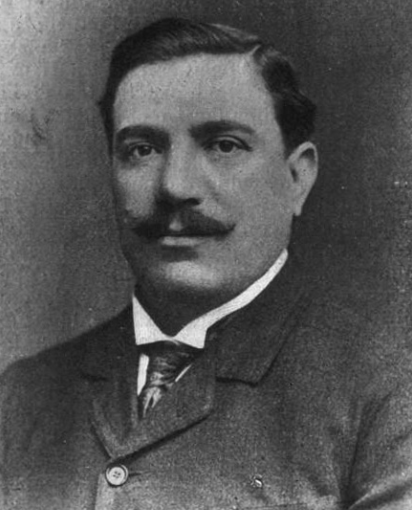
Xavier Coppolani
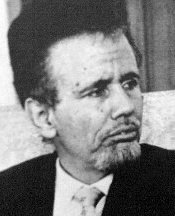
Horma Ould Babana
We remember with solemn respect the countless men, women, and children whose lives were disrupted, diminished, and in many cases ended during the long period of French domination in Mauritania. From the early encroachments into the region in the late 19th and early 20th centuries to the formal establishment of colonial administration, the imposition of foreign rule brought violence, upheaval, and resistance to the people of this land. France’s presence in Mauritania began with treaties and military incursions in the early 1900s. Mauritania was organized as a French protectorate circa 1903–1904 and became part of French West Africa, later being designated an official colony in 1920. The territory remained under French control until it achieved independence on 28 November 1960, after decades of struggle by Mauritanians seeking self-determination.
During this period of occupation and “pacification,” French military operations and administrative pressures took a toll on Indigenous communities, disrupting traditional life and resulting in many deaths. Armed resistance against the colonial forces persisted into the 1930s, and conflicts arising from this resistance undoubtedly cost the lives of many Mauritanians, though comprehensive casualty figures are not well documented in historical accounts.
Notable Figures in the Struggle Against Colonial Domination
While historical records about specific leaders in Mauritania’s anti-colonial struggle are limited, a few figures are remembered for their resistance or political activism during the era of French rule:
Xavier Coppolani – Although a French colonial officer and administrator, he sparked strong resistance among local groups with his leadership in extending French control. He was killed in 1905 by opponents of the colonial advance, underscoring the fierce resistance to his mission to pacify and incorporate Mauritania under French rule.
Sheikh Ma al‑‘Aynayn’s followers – Leaders and fighters loyal to this influential religious figure resisted French campaigns in the early years of colonization, though records do not attribute specific names and death details to many of them in accessible sources.
Traditional resistance warriors – Many unnamed Mauritanian nomads, marabouts, and tribal leaders participated in actions against French military forces well into the early 20th century (with the last noted resistance fading around 1934), at great human cost, though casualties are not comprehensively recorded in colonial archives.
Horma Ould Babana – A prominent anti-colonial political leader who later became a key figure in the push for Mauritanian autonomy and independence. Though he was not killed by French colonial authorities, his activism against colonial policies led to his arrest, exile, conviction in absentia, and death in 1979, long after independence. His life embodies the struggle against colonial oppression and self-governance.
A Tribute to Their Memory
To all who endured hardship and loss under colonial rule — who resisted, protested, and lived through a system that denied their autonomy — we honor your memory. Your sacrifices, whether recorded in history books or remembered only by your descendants, are part of the long, difficult journey toward freedom that culminated in Mauritania’s independence on November 28, 1960.
May this remembrance acknowledge their courage and the resilience of communities that persevered through occupation and emerged to shape their own destiny.