
Mauritius

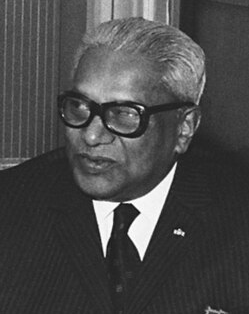
Seewoosagur Ramgoolam
Between 1715 and 1810, the island now known as the Republic of Mauritius was under French rule as Île de France — a 95-year period during which France exerted colonial control over the territory’s land, people, economy, and laws.
Under the French colonial system, agriculture — especially sugar cultivation — was built upon the backs of enslaved Africans and Malagasy people who were forcibly brought to the island and compelled into brutal conditions of forced labor, violence, and social exclusion.
While precise figures for the total number of people who lost their lives as a result of enslavement, disease, malnutrition, resistance, mistreatment, and other violence during the French period are not definitively documented in surviving records, historical research indicates that tens of thousands of people suffered and died within this system of exploitation. Even where colonial archives provide incomplete tallies, the human cost of slavery and colonization was profound — in lives disrupted, spirits broken, families torn apart, and cultural legacies scarred.
This tribute especially remembers those whose names may never be recorded in history — the enslaved men, women, and children who worked sugar plantations under threat of bodily punishment, who resisted oppression in small and large ways, and who carried the enduring legacy of their suffering into subsequent generations.
On the Question of Pro-Independence Leaders and French Colonial Repression
It is important to note that the organized political movement for Mauritius’s independence arose much later, during the 20th century, and principally under British colonial rule, which succeeded French rule in 1810.
Sir Seewoosagur Ramgoolam GCMG LRCP MRCS (18 September 1900 – 15 December 1985), is widely recognized as the nation’s founding father.
Often referred to as Chacha “Uncle” Ramgoolam or SSR, he was a Mauritian physician, politician, and statesman who served as the island’s only chief minister, first prime minister, and fifth governor-general.
After Guy Rozemont’s death in 1956, Ramgoolam served as the leader of the Labor Party of Mauritius until his death in 1985 and led the country to independence in 1968.
We honor the memory of all those who perished under the injustices of colonial systems — particularly the victims of slavery and forced labor during French rule on Île de France. Their suffering is an essential part of Mauritius’s history, a history that continues to shape its vibrant, diverse, and resilient society today.
May this tribute serve as both a remembrance and a reminder of the enduring strength of the human spirit in the face of oppression.