
Mozambique
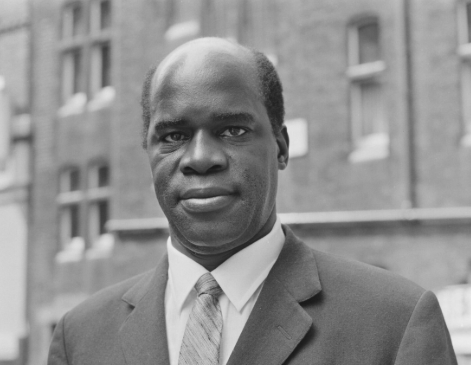
Eduardo Chivambo Mondlane
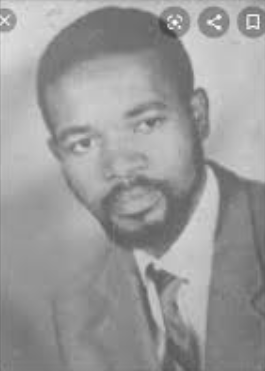
Filipe Samuel Magaia
For centuries, the people of Mozambique lived under the weight of European colonial domination. Portuguese presence in the region began in the late 1400s and lasted in various forms until June 25, 1975, when Mozambique finally achieved full independence — marking nearly five centuries of occupation and exploitation.
The fight for liberation culminated in the Mozambican War of Independence (1964–1974), an armed struggle led by the Mozambique Liberation Front (FRELIMO) against the colonial regime. During that decade-long conflict, it is estimated that around 50,000 civilians lost their lives, many victims of military reprisals, massacres, forced relocations, and the brutal repression of dissent.
In addition to widespread civilian suffering, countless Mozambicans were killed or lost their lives on the battlefields of liberation — a testament to the courage and resilience of a people determined to reclaim their land and dignity.
Honoring Notable Pro-Independence Leaders Killed in the Struggle
The struggle for freedom came at an immense human cost, including among those who dedicated their lives to Mozambique’s liberation:
Eduardo Chivambo Mondlane – A founder and the first president of FRELIMO, Mondlane became a symbol of the independence movement. He was assassinated on 3 February 1969 in Dar es Salaam when a parcel bomb exploded. His death is widely attributed to colonial forces intent on weakening FRELIMO’s leadership.
Filipe Samuel Magaia – As FRELIMO’s Secretary of Defense, Magaia played a crucial role in organizing early guerrilla operations against Portuguese forces. On 10 or 11 October 1966, he was shot and killed by a fellow guerrilla believed to have been acting for the Portuguese colonial authorities.
These leaders gave their lives in the pursuit of freedom. Their sacrifices — and those of tens of thousands of unnamed Mozambicans — helped bring an end to one of the longest periods of colonial rule in Africa.
This tribute is offered in remembrance of all who suffered and perished during Mozambique’s long struggle for self-determination, and in honor of the enduring spirit of its people.