
Niger
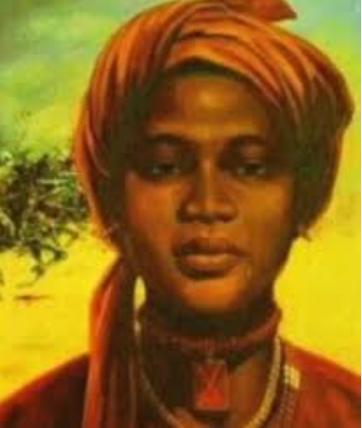
Queen Sarraounia Mangou
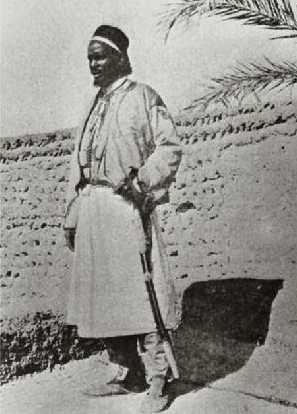
Kaocen Ag Mohammed
Today, we remember the people of Niger who endured decades of French colonial rule.
French military conquest began in the 1890s, marked by violent campaigns that subdued local kingdoms and communities. Niger was formally established as a French colony in 1922 and remained under French control until independence on August 3, 1960—nearly 70 years from initial conquest to sovereignty. During this period, Nigeriens faced forced labor, heavy taxation, displacement, famine exacerbated by colonial policies, and brutal reprisals against resistance.
The full human cost remains difficult to quantify. Historians agree that thousands of Nigeriens were killed during the initial conquest—particularly in the late 1890s during French military expeditions—and in subsequent revolts and crackdowns. Additional lives were lost through forced labor systems, punitive campaigns, and hardship tied to colonial economic extraction. Precise, comprehensive casualty figures, however, are not definitively established in the historical record.
Among those who resisted were courageous leaders who defended their communities and autonomy:
Sarraounia Mangou – The Azna queen who resisted French forces in 1899 during the infamous military campaigns in the region. She survived the conflict and became a lasting symbol of resistance.
Kaocen Ag Mohammed – Leader of the 1916–1917 Tuareg revolt against French rule. Though ultimately killed in 1919 after the revolt’s suppression, his uprising represented one of the most significant armed challenges to colonial authority in Niger.
Though historical record does not identify widely recognized mid-20th-century Nigerien nationalist leaders who were executed by French colonial authorities in the way seen in some other colonies, and Niger’s eventual path to independence was led politically by figures such as Hamani Diori, this memorial stands for the unnamed villagers, farmers, laborers, and fighters whose lives were cut short, whose lands were taken, and whose voices were suppressed. Their suffering and resilience form part of Niger’s national memory.
May their dignity be honored, their stories remembered, and their sacrifices never forgotten.