
Somalia

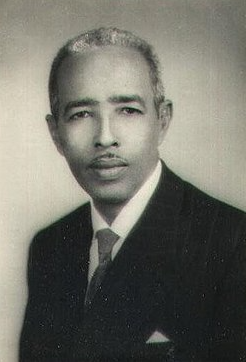
Aden Adde
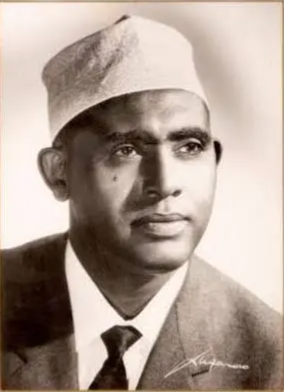
Abdirashid Shermarke
Today we remember the countless Somali men, women, and children whose lives were forever changed—or taken—during the eras of British (1884–1960 in the north), Italian (1889–1941, and again 1950–1960 under UN trusteeship in the south), and French (1884–1977 in the Somali-inhabited territory of present-day Djibouti) colonial rule.
For more than seven decades in most of the Somali territories—and nearly a century in the northwest and neighboring Somali regions—foreign administrations reshaped political authority, controlled land and trade, and suppressed resistance movements. Armed campaigns, punitive expeditions, forced labor practices, imprisonment, and famine conditions linked to conflict brought immense suffering. While precise figures remain debated among historians, it is widely acknowledged that tens of thousands of Somalis perished during colonial wars and crackdowns—particularly during the prolonged Dervish resistance (1899–1920), aerial bombardments in the north, and violent suppressions of protests in the mid-20th century.
We honor the memory of those who resisted foreign domination and paid the ultimate price.
Among those killed by colonial authorities were:
Sheikh Bashir Sheikh Yusuf – A religious scholar and anti-colonial activist in British Somaliland, killed in 1945 during an armed confrontation with British forces.
Hawo Tako – A prominent supporter of the independence movement, shot and killed by Italian police in Mogadishu in 1948 during a political demonstration.
It is important to note that many leading nationalist figures were imprisoned, exiled, or suppressed rather than executed. For example, Mohammed Abdullah Hassan, leader of the Dervish resistance against British, Italian, and Ethiopian forces, waged a two-decade struggle but ultimately died of illness in 1920, not execution.
The Somali Youth League played a major role in Somalia’s independence since the 1940s, with two of its members having served as the first two Somali presidents, Aden Adde and Abdirashid Shermarke. There are several murals and monuments dedicated to the SYL’s independence movement in Mogadishu.
Though the historical record does not show a large number of prominent pro-independence leaders formally executed by European colonial courts, the broader population bore the brunt of collective punishment, bombardment, detention, and lethal force.
This tribute is therefore not only to the named leaders, but to the unnamed pastoralists displaced by war, to families lost in bombardments, to demonstrators shot in city streets, and to communities fractured by divide-and-rule policies. Their suffering is woven into Somalia’s path to sovereignty, achieved on July 1, 1960.
May their memory be honored with truth, dignity, and a continued commitment to justice and self-determination.