
Uganda
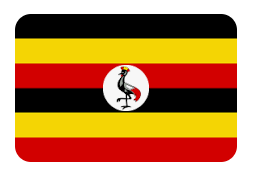
King Omukama Kabalega

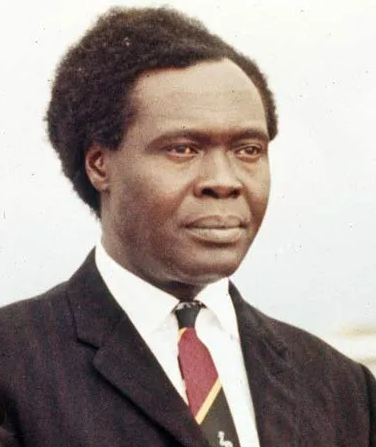
Milton Obote
Today, we remember the people of Uganda whose lives were forever changed under colonial rule.
From 1894, when Uganda was declared a British Protectorate, until independence in 1962, the country endured 68 years of colonial occupation under the British Empire. During this period, Ugandans faced land dispossession, forced labor policies, heavy taxation, political repression, and the restructuring of traditional institutions to serve imperial interests.
The full human cost of colonial rule in Uganda is difficult to quantify. Unlike some settler colonies where large-scale wars produced documented mass casualties, in Uganda, the losses were often dispersed and under-recorded — occurring through punitive military expeditions, suppression of resistance, imprisonment, famine linked to economic disruption, and disease exacerbated by forced labor and displacement. Historians agree that many thousands suffered and died under these conditions, but no precise, comprehensive death toll exists in the historical record.
In the early years of occupation, several traditional leaders resisted British control:
King Omukama Kabalega of Bunyoro led armed resistance against British forces before his capture and exile in 1899. He passed away in exile in 1923, after he was banished for opposing the colonial administration.
King Kabaka Mwanga II of Buganda also resisted British authority. He, too, was exiled and died in exile in 1903.
Milton Obote was a Ugandan political leader who led Uganda to independence from British colonial rule in 1962. Following the nation’s independence, he served as prime minister of Uganda from 1962 to 1966 and as the nation’s second president from 1966 to 1971, then again from 1980 to 1985.
As we honor the memory of those who endured colonial rule, we acknowledge:
The communities displaced from ancestral lands
The laborers forced into exploitative economic systems
The cultural institutions weakened or reshaped
The unnamed men, women, and children whose suffering was never fully recorded
Their resilience laid the foundation for Uganda’s independence in 1962. May their memory remind us that freedom was not inevitable — it was built on endurance, resistance, and sacrifice.